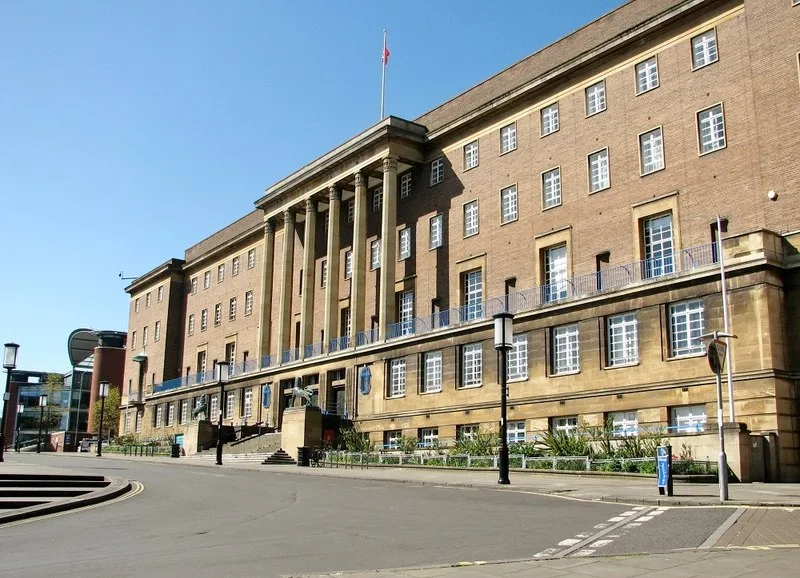

Norwich City Council is taking first-stage bids of £500 to £7,500 for culture projects. The cut-off is 9am on 30 September, and late forms are not read.
Norwich City Council is inviting bids for grants of £500 to £7,500 for cultural projects in the city, and the first-stage deadline is 9am on Wednesday 30 September 2026.
That time matters. The council’s press release gives the date only, but its own application guidance sets the cut-off at 9am and says plainly: “Late applications will not be considered.”
Twelve projects were funded last year.
What the money is for
The Small Culture Grants pay for cultural activity delivered in Norwich, running for up to 12 months and starting in the 2026/27 financial year. The council’s guidance lists the artforms it counts, and an eligible project has to tick at least one:
- theatre
- music
- dance
- literature, creative writing and spoken word
- visual arts
- heritage and history
- film and audiovisual
- museums and archives
- libraries
- combined arts, for example festivals
- crafts
- digital and interactive arts
Last year’s twelve included a theatre project by, with and for people with profound and multiple learning disabilities, performing arts and mentoring for children and young people, festivals about the city’s history and heritage, sustainable costumes for a dance group, and venue hire for a community music group. The council says the work happened “in neighbourhoods all over the city, from theatres to parks and even the city streets”.
The rules that decide it, which the press release does not mention
The seven-page application guidance is where the real filter sits, and four points in it will decide most applications.
Culture has to be the point of the project, not a part of it. The council defines a primary focus as 75 per cent or more of the activity being the cultural content ticked on the form, and a strong focus as over 50 per cent. Below 50 per cent, culture counts as secondary, and the guidance warns those bids “may be more appropriate for other funding streams” and may not be progressed.
It has to happen inside the city council’s boundary. The guidance is blunt: “The Small Culture Grants are only for activity delivered in Norwich City Council’s geographic area. We cannot fund activities in other District Council areas.” Norwich has a famously tight boundary, so a project in Sprowston, Costessey, Thorpe St Andrew or Hethersett is in Broadland or South Norfolk and is not eligible here.
Six neighbourhoods get priority. The council names its Reducing Inequality Target Areas, and says priority may be given to projects taking place in them:
- City Centre West
- Mile Cross
- Earlham
- Lakenham and Tuckswood
- Heartsease and Pilling Park
- Bowthorpe and West Earlham
It cannot go to an individual. Grants are for organisations and groups, including social enterprises, and the guidance says where a group is not formally constituted the council will not pay into an individual’s bank account. Nor will it fund anything already spent or committed, and it is “unlikely to fund capital projects”.
There are two further bars worth knowing before you spend an evening on the form. Organisations turning over more than £5,000 a year must publish independently examined or audited accounts. And the council will not fund organisations that provide services on the basis of adherence to a religion, philosophy or political persuasion, or that are explicitly party political.
The first form is short
This is the first year the council has split the process in two, and the point of the change is to stop people writing a full bid for a project that was never eligible.
Stage one is a single Expression of Interest form. It asks for the organisation’s details, charity or company number, a tick-list of artforms, the venue or postcode, start and end dates, and two written answers of 150 words maximum each: what your organisation is for, and what the project is.
You can fill it in online or download the Word version and email it to commissioning@norwich.gov.uk with “Small Culture Grant” in the subject line. It can also go by post to Commissioning Applications, Norwich City Council, City Hall, St Peters Street, Norwich NR2 1NH. Queries about the scheme go to events@norwich.gov.uk.
The full timetable
Every date below is from the council’s own guidance, and the two deadlines are both 9am.
| Stage | When |
|---|---|
| Stage 1 applications opened | Week of Monday 7 September 2026 |
| Stage 1 deadline | Wednesday 30 September 2026, 9am |
| Stage 1 applicants told the outcome | No later than Monday 12 October 2026 |
| Stage 2 deadline | Monday 9 November 2026, 9am |
| Stage 2 applicants told the outcome | By Monday 30 November 2026 |
| Agreements signed and payments made | By Monday 14 December 2026 |
The stage two window is four weeks and includes half term, which the guidance flags, so a small organisation relying on volunteers should plan around it.
What it means for you
If you run a choir, a theatre group, a festival, a heritage project, a community music night or anything else on the artform list, and it happens inside the city, this is £500 to £7,500 you can bid for with about an hour’s work at stage one.
- Check the boundary first. If your venue is outside the city council’s area, stop there.
- Check the proportion. If culture is under half of what your project does, the council may not take it forward.
- Do not leave it to the 30th. The cut-off is 9am that morning, not the end of the day.
Cllr Jenny Knight, the cabinet member for culture and wellbeing, said the grants “help organisations turn great ideas into great experiences that folk from across the city can enjoy and take part in”.
The council is running a separate residents’ culture survey to inform a new cultural strategy, and a much larger cultural building is in the planning system this month: see our report on the library, archive and gallery proposed at 20 Bank Plain, where comments close on 23 September.
Sources
- Funding available to bring Norwich’s creative ideas to life, Norwich City Council, 10 September 2026, for the £500 to £7,500 range, the twelve projects funded last year and the quote from Cllr Jenny Knight.
- Small Culture Grants 2026-2027, Get Talking Norwich, read 14 September 2026, for the two-stage process, the 9am deadline on 30 September, the 12 October notification date and the commissioning@norwich.gov.uk route.
- Commissioning application guidance, annual culture grants, Norwich City Council (PDF, seven pages), published on the Get Talking Norwich project page, for the artform list, the 75 per cent and 50 per cent cultural focus tests, the city-boundary rule, the six Reducing Inequality Target Areas, the bar on grants to individuals and on retrospective or capital funding, the £5,000 turnover and audited accounts requirement, the religion and party political exclusions, the full timetable and the statement that late applications will not be considered.
- Application Form 1, Small Culture Grant, Norwich City Council (Word document), for the questions asked at stage one, the 150-word limits, the postal address and the events@norwich.gov.uk enquiries address.
Have your say